
Learn what Property Turnover Cleaning in Houston involves, what to clean between occupants, and how landlords and property managers can prepare a property for the next tenant.
A property turnover is the period between one occupant leaving and the next one moving in.
During that time, the property may need cleaning, repairs, trash removal, maintenance, painting, or other preparation work.
For landlords, property managers, investors, and realtors, turnover cleaning helps make the space ready for its next use.
This guide explains what turnover cleaning usually includes, how it differs from regular cleaning, and what should be checked before a new tenant or buyer arrives.
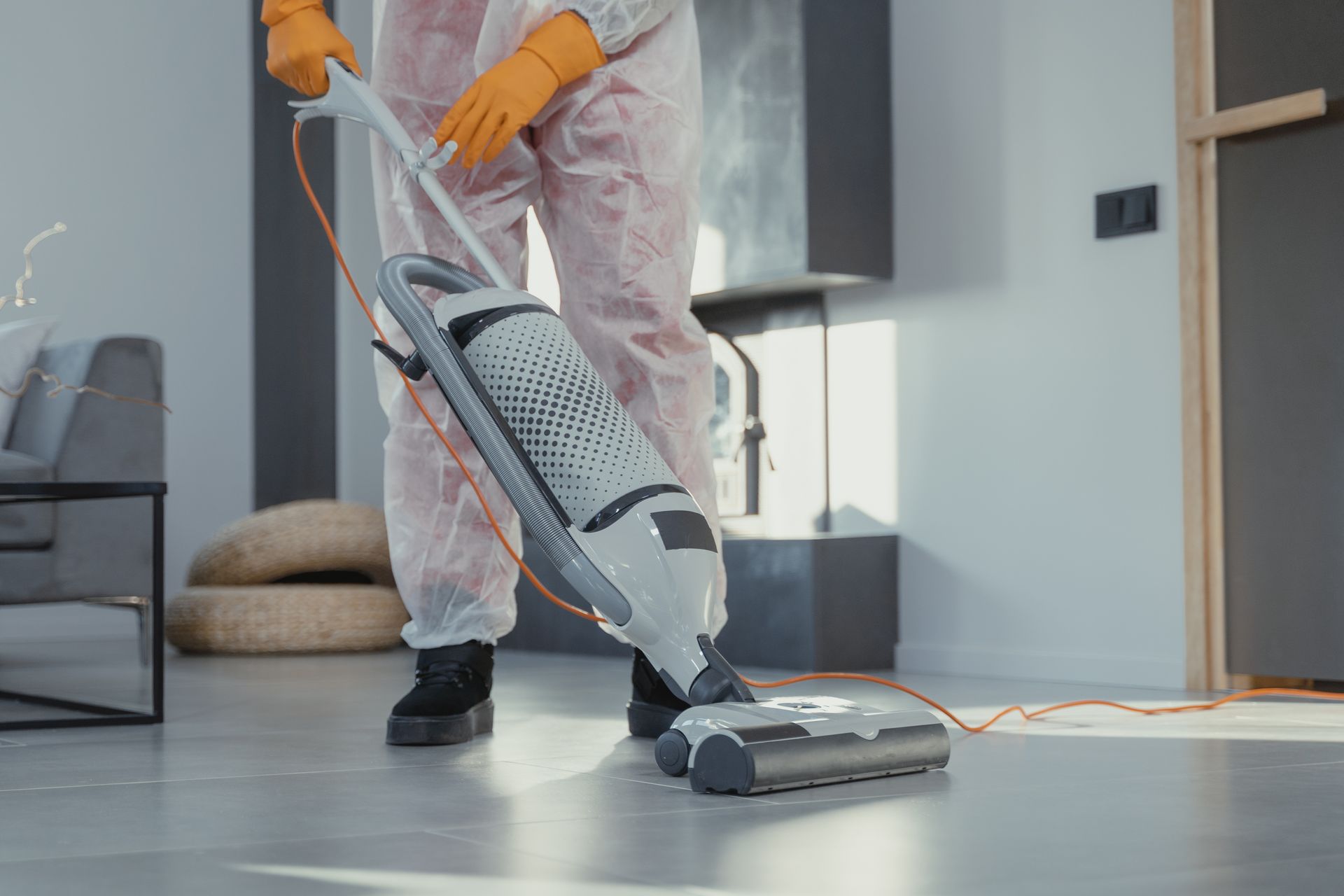
Property turnover cleaning is a detailed cleaning completed between occupants.
The goal is to prepare the property for the next tenant, buyer, guest, or owner.
Depending on the condition of the property, the work may include:
Because the property is often empty, cleaners can reach areas that are harder to access during routine cleaning.
Routine house cleaning is meant to maintain an occupied property.
Turnover cleaning has a different purpose.
It is focused on preparing the space for a new occupant.
That usually means more attention to details that may be noticed during a walkthrough, inspection, showing, or move-in.
For example, an occupied home may not require empty closets or cabinet interiors to be checked. During a turnover, those areas become more important because the next occupant will see and use them immediately.
These services can overlap, but they are not always the same.
Move-out cleaning usually focuses on the condition of the property after someone leaves.
Turnover cleaning looks at the full transition.
That may include cleaning after the previous occupant, checking the condition of the property, and making sure the space is ready for the next person.
For landlords and property managers, turnover cleaning is often one part of a larger preparation process.
Not every property is ready for normal cleaning immediately.
A turnover may need extra work if:
In these cases, cleanout, deep cleaning, or post-construction cleanup may need to happen first.
The kitchen is one of the first areas new occupants notice.
Cleaning may include: Countertops, Sinks, Cabinet surfaces, Appliance exteriors, Backsplashes, Floors, Shelves, Visible grease or food residue
If cabinets are empty, shelves and interior surfaces may also need attention.
Bathrooms should be checked carefully before the next occupant moves in.
Common areas include: Toilets, Sinks, Tubs, Showers, Mirrors, Fixtures, Floors, Visible buildup
Closets, pantries, and storage areas can be easy to overlook.
During a turnover, check these spaces for dust, debris, personal items, and visible dirt.
Door handles, switches, frames, and trim can collect marks and dirt over time.
These details matter when a property is being presented to a new occupant.
Houston homes can deal with dust, humidity, outdoor dirt, pollen, and frequent foot traffic.
These factors can affect floors, entryways, windowsills, surfaces, and other areas around the home.
Homes with busy households may also need more attention in kitchens, bathrooms, and common areas.
A practical house cleaning plan should focus on the areas that become dirty most quickly instead of treating every room exactly the same.
Routine house cleaning does not always cover more involved property work.
It may not include:
These situations often need a different type of service.
For example, a home filled with unwanted belongings may need a property cleanout before normal cleaning can begin.
A property that has just been renovated may need post-construction cleaning instead.
A simple turnover plan can help keep the process organized.
Walk through the property after the previous occupant leaves.
Look for cleaning needs, damage, trash, maintenance issues, and items that were left behind.
Handle repairs, painting, maintenance, and other messy work before final cleaning.
Clear furniture, trash, and other belongings that should not remain.
Check the property from the perspective of the next occupant.
Make sure rooms, bathrooms, kitchens, floors, closets, and common areas are ready.
A simple turnover plan can help keep the process organized.
Walk through the property after the previous occupant leaves.
Look for cleaning needs, damage, trash, maintenance issues, and items that were left behind.
Handle repairs, painting, maintenance, and other messy work before final cleaning.
Clear furniture, trash, and other belongings that should not remain.
Clean the property once the other work is finished.
Check the property from the perspective of the next occupant.
Make sure rooms, bathrooms, kitchens, floors, closets, and common areas are ready.
Cleaning is only one part of the process.
A turnover may also include:
Before turnover cleaning begins, remove unwanted belongings and larger items first. If the property contains furniture, debris, or accumulated household items, an Estate Cleanout Houston service may be the right first step.
If the garage also needs to be cleared, Garage Cleanout Houston can help prepare that area before the final cleaning.
Repairs, painting, and other messy work should usually happen next, followed by the final turnover clean. This helps prevent new dust or debris from being created after the property has already been cleaned.
It is important to understand the scope before hiring a cleaning company.
A standard deep clean may not automatically include:
These situations may require a different service or more than one type of property preparation.
For example, a heavily cluttered home may need a garage or property cleanout before detailed cleaning can begin.
A newly renovated property may be better suited to post-construction cleaning.
It is important to understand the scope before hiring a cleaning company.
A standard deep clean may not automatically include:
These situations may require a different service or more than one type of property preparation.
For example, a heavily cluttered home may need a garage or property cleanout before detailed cleaning can begin.
A newly renovated property may be better suited to post-construction cleaning.
Houston has a large and active rental market, which means landlords and property managers often need to prepare properties quickly between occupants.
A faster turnover can be helpful, but speed should not replace proper preparation.
The property should still be checked for:
A clear turnover process can make it easier to move from one tenant to the next without missing important details.
Turnover cleaning usually covers kitchens, bathrooms, floors, closets, cabinets, doors, baseboards, and other accessible areas. The exact scope depends on the property’s condition.
Final cleaning should usually happen after repairs, painting, maintenance, and trash removal are complete.
No. It can also be useful for investment properties, short-term rentals, homes being sold, and properties changing owners or occupants.
Sometimes, but not always. If large amounts of furniture, trash, or unwanted belongings remain, a separate cleanout may be needed before detailed cleaning begins.
If normal cleaning is not enough to remove buildup or bring the property back to a ready condition, a deeper clean may be needed before the turnover is complete.
This guide is designed to help landlords, property managers, investors, and owners understand what should happen between occupants.
If your property is ready for professional Property Turnover Cleaning Houston service, reach out to DwellSet Property Prep to view service details and request an estimate.